Optimize for Google & AI Search — Future-Ready SEO Strategy
Search is evolving, not replacing.
Today, people search on Google as usual — but they also use AI tools, voice assistants, and generative platforms to get quick answers. This means businesses must optimize for both traditional search engines and AI-powered search systems.
SEO is no longer only about ranking on Google. It is about making your content clear, structured, and authoritative so it performs well in search results and AI-generated answers.
If your website is optimized for both Google and AI search, you protect your visibility today and prepare for future growth.
On this page, you will learn how AI search works, how it connects with traditional SEO, and how to optimize your website for both.
Table of Contents
What Is AI Search?
AI Search refers to search systems that use artificial intelligence to generate answers instead of just listing links.
Examples include:
- Google AI Overviews
- AI chat-based search tools
- Voice search systems
- Generative answer engines
Google explains how AI enhances search here:
https://developers.google.com/search/docs/fundamentals/ai-overviews
Instead of showing only blue links, AI now summarizes information and provides direct answers.
Your content must be structured to appear in those summaries.
What Is Generative Engine Optimization (GEO)?
Generative Engine Optimization (GEO) means optimizing your content so AI systems can:
- Understand your expertise
- Extract key information
- Reference your content in generated answers
- Trust your authority
GEO is the next stage of SEO.
It focuses on:
- Structured content
- Clear answers
- Authority signals
- Contextual depth
- Entity optimization
Why AI Search Matters for SEO
Search engines are moving toward AI-driven results. This changes how users discover content and how brands earn visibility.
-
Featured snippets are evolving
AI selects answers faster, so your content must be clear, structured, and direct.
-
Zero-click searches are increasing
Users get answers on the results page, so visibility matters even without clicks.
-
AI summaries reduce traditional clicks
Content must earn trust signals so your brand is still referenced in summaries.
-
Content quality standards are higher
AI systems reward helpful, accurate content with strong expertise and proof.
-
Old-only SEO may decline
If you only focus on old SEO techniques, rankings may drop over time.
Next step: AI Search & Generative Engine Optimization helps your brand stay visible in modern search environments by improving structure, clarity, and trust signals.
Key Strategies for AI Search Optimization
Here is a structured approach:
1. Create Clear, Direct Answers
AI systems prefer:
- Short paragraphs
- Structured headings
- Bullet points
- Clear explanations
Avoid complicated language. Write naturally and clearly.
Example:
Use question-based headings like:
- What is AI Search?
- How does Generative SEO work?
This improves AI understanding.
2. Improve EEAT & Authority Signals
AI systems prioritize trusted sources.
You must strengthen:
- Author credibility
- Brand presence
- Consistent expertise
- High-quality backlinks
This connects directly with your page:
learn Authority Building & Brand Signals
Authority increases AI trust.
Google explains content trust factors here:
https://developers.google.com/search/docs/fundamentals/creating-helpful-content
3. Structure Content for Easy Extraction
AI tools scan content differently from traditional search crawlers.
Best practices:
- Use clear H2 and H3 headings
- Add definition-style sections
- Use bullet lists
- Keep paragraphs short
- Avoid keyword stuffing
Structured formatting improves AI readability.
4. Optimize Technical SEO
AI search still depends on strong technical foundations.
This connects with:
learn Website Performance & Crawl Optimization
Ensure:
- Fast page speed
- Clean internal linking
- Proper indexing
- Mobile responsiveness
You can monitor performance using: https://search.google.com/search-console
Technical strength supports AI visibility.
5. Focus on Topical Authority
AI systems evaluate overall topic depth.
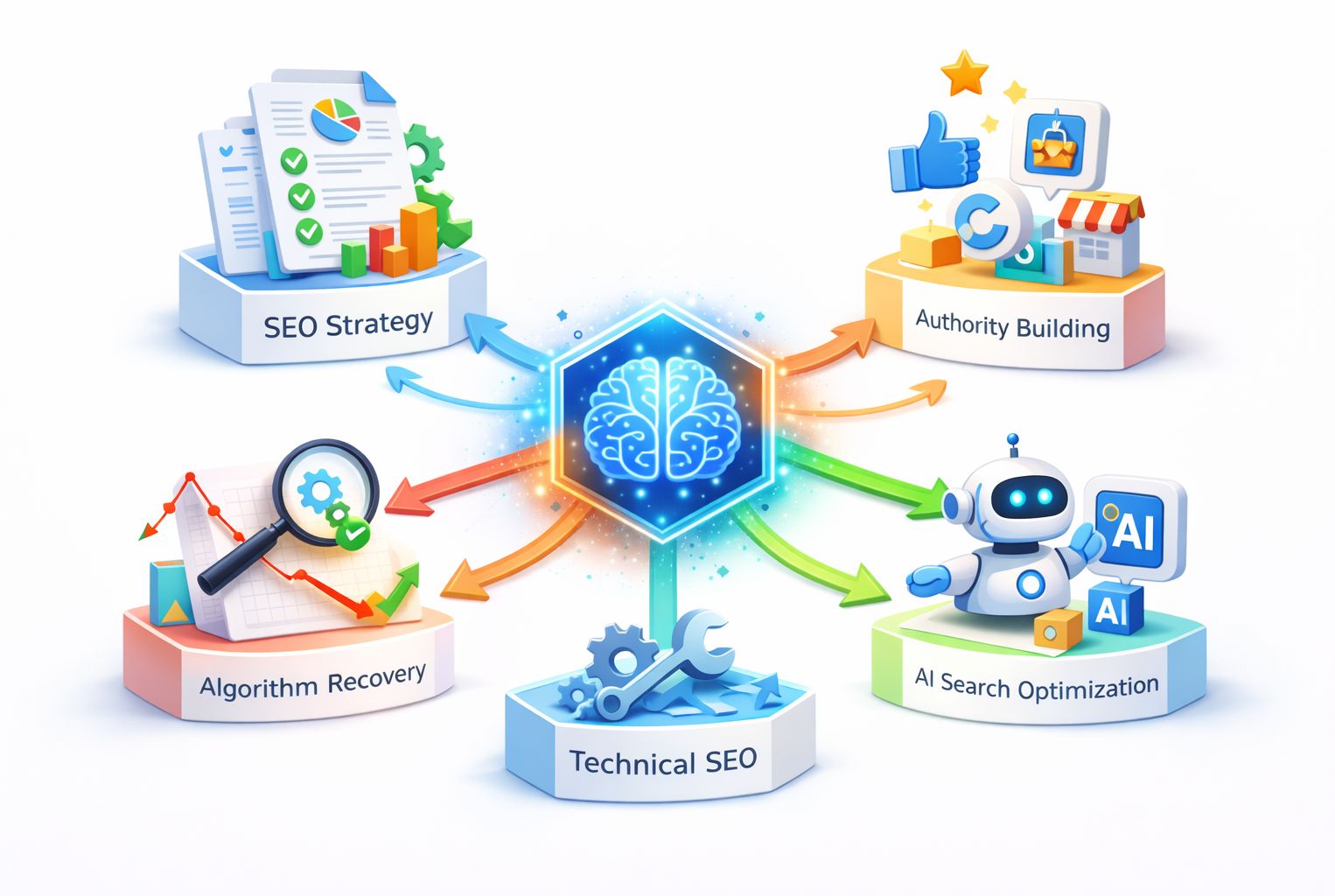
Instead of writing random blogs, build clusters around:
- SEO strategy
- Algorithm recovery
- Technical SEO
- Authority building
- AI search optimization
This builds strong topical relevance.
How AI Search Changes Content Strategy
Old SEO focused on:
- Exact match keywords
- Backlink quantity
- Ranking position
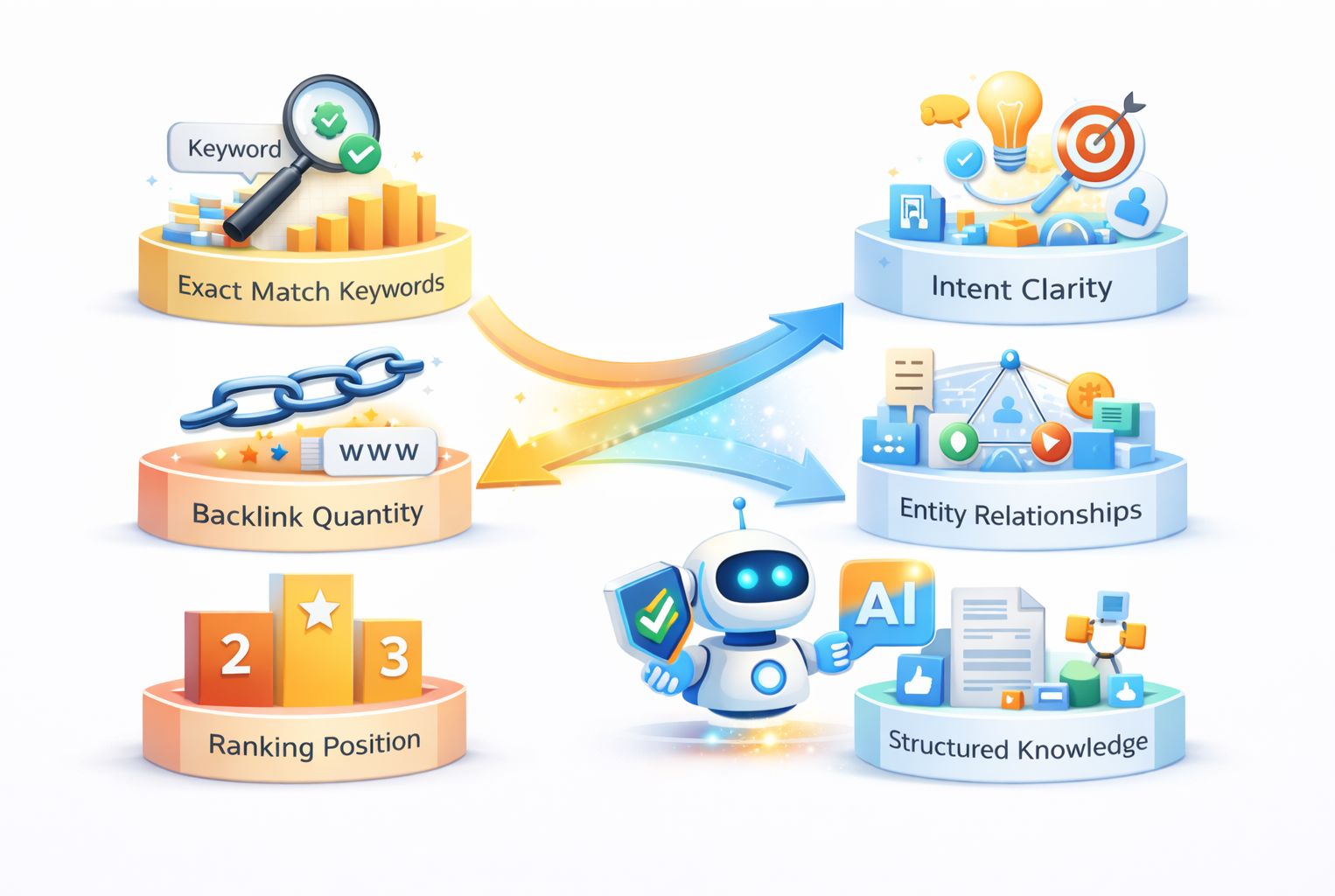
Modern AI SEO focuses on:
- Intent clarity
- Entity relationships
- Context depth
- Trust signals
- Structured knowledge
The goal is not just ranking. The goal is to become a trusted source.
Common Mistakes to Avoid
Avoid these errors that reduce content quality and harm long-term search visibility.
Over-Optimizing Keywords
Keyword stuffing reduces readability and signals unnatural content.
Low-Quality AI Content
AI-generated thin content without value is detected quickly.
Ignoring Structured Formatting
Missing headings and formatting lowers clarity for users and AI.
Weak Brand Authority
Lack of trust signals reduces credibility in AI-driven search.
Thin Blog Posts
Short, shallow content fails to meet modern quality standards.
Long-Term Strategy for AI Visibility
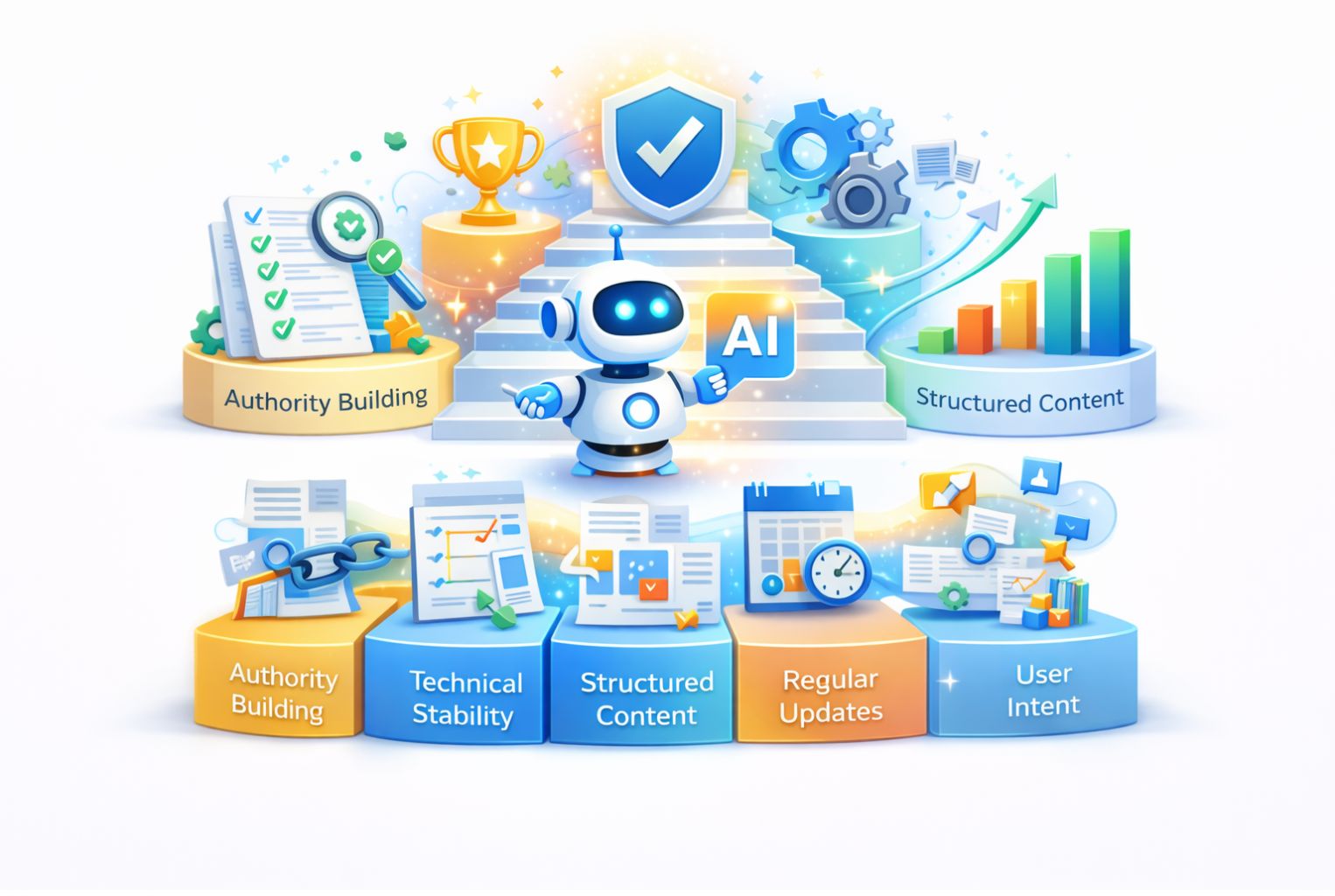
To succeed in AI Search & Generative Engine Optimization:
- Build strong authority
- Maintain technical stability
- Create structured content
- Update content regularly
- Focus on user intent
AI search rewards clarity and expertise.
If your brand consistently publishes valuable SEO content, AI systems are more likely to reference your website.
Conclusion
AI Search & Generative Engine Optimization is the next evolution of SEO.
Search engines are becoming smarter. Users expect direct, accurate answers. Websites that adapt to AI-driven search will stay visible and competitive.
By combining:
- Structured content
- Strong authority
- Technical SEO
- Risk management
- Topical depth
You build a future-ready SEO strategy.
If you want to prepare your website for AI-powered search and generative results, now is the time to act.
Visit an SEO Expert in Dubai
Start optimizing for the future of search today.
Frequently Asked Questions – FAQs
Performance can be measured through:
- Organic traffic growth
- Impression trends
- Featured snippet visibility
- Engagement metrics
- Branded search growth
Improved clarity and authority usually improve both traditional and AI search visibility.
Yes. Small businesses can compete by publishing expert, niche-focused content. Clear and well-structured content often performs better than generic, large-scale content.
Initial improvements may appear within a few weeks. Strong visibility in AI systems usually takes consistent publishing and authority building over 3–6 months.
AI systems evaluate overall topic depth. If your website consistently publishes content around a focused topic, it builds stronger relevance.
For example, publishing content on SEO strategy, algorithm recovery, and technical SEO together builds a strong SEO authority cluster.
To optimize for AI search:
- Create structured content
- Use clear headings
- Focus on user intent
- Build strong authority
- Maintain technical stability
- Update content regularly
Clear and well-organized content is easier for AI systems to understand.
No. GEO builds on traditional SEO. Technical optimization, authority building, and quality content are still essential. GEO enhances how your content is structured and interpreted by AI systems.
Search behavior is evolving. Users now search on Google and also use AI tools and voice assistants for quick answers. If your content is optimized for both, you increase visibility across multiple platforms instead of relying on one channel.
Traditional SEO mainly focuses on keyword rankings and backlinks. GEO focuses on content clarity, entity relationships, structured knowledge, and trust signals.
For example, instead of just targeting “SEO services,” GEO ensures your content clearly explains topics in depth so AI systems can summarize or reference it accurately.
AI Search & Generative Engine Optimization (GEO) is the process of optimizing your website so it performs well in both traditional search engines and AI-powered platforms. It focuses on structured content, intent clarity, and authority to help AI systems understand and reference your website.