
How to Increase Domain Authority Best 14 Powerful Strategies for SEO Growth
How to Increase Domain Authority: Best 14 Powerful Strategies for SEO Growth
Learn how to increase Domain Authority using proven SEO strategies. This guide explains authority ranking, domain authority score, useful tools like Moz, and practical techniques to improve your website’s search performance.
What is Domain Authority and Why It Matters for SEO
Domain Authority (DA) is a metric used to predict how well a website can rank in search engines. It helps website owners understand the authority score and strength of their domain compared to competitors.
The concept of Domain Authority was originally developed by Moz to estimate a website’s ability to rank in search results. The score ranges from 1 to 100, where higher scores indicate stronger ranking potential.
Many SEO professionals use Domain Authority to measure:
- Website authority ranking
- Link profile strength
- Competitive SEO potential
- Overall search performance
If your website has a higher domain authority score, it usually means your website has strong backlinks, good content, and trusted signals.
You can read more about Domain Authority from Moz
However, Domain Authority itself is not a direct Google ranking factor. Instead, it reflects the quality of signals that influence search rankings.
To understand how authority influences search visibility, you can also read about Authority Building & Brand Signals
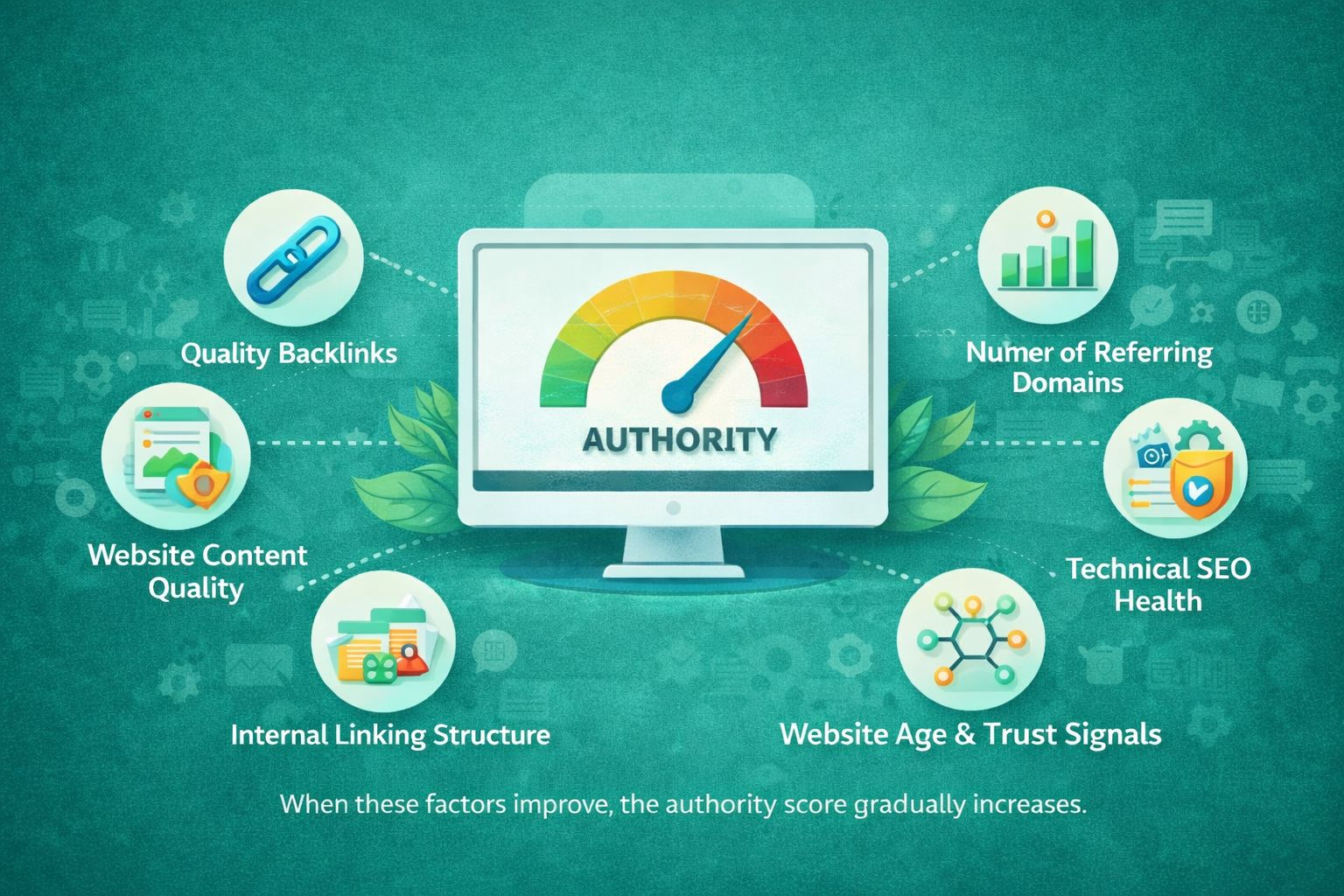
What Determines Domain Authority of a Website
Several factors influence the domain authority of a website.
The most important factors include:
- Quality backlinks
- Number of referring domains
- Website content quality
- Technical SEO health
- Internal linking structure
- Website age and trust signals
When these factors improve, the authority score gradually increases.
Best Tools to Check Domain Authority
Many SEO tools allow you to check the domain authority score and analyze your website’s authority ranking.
Here are some of the most popular tools.
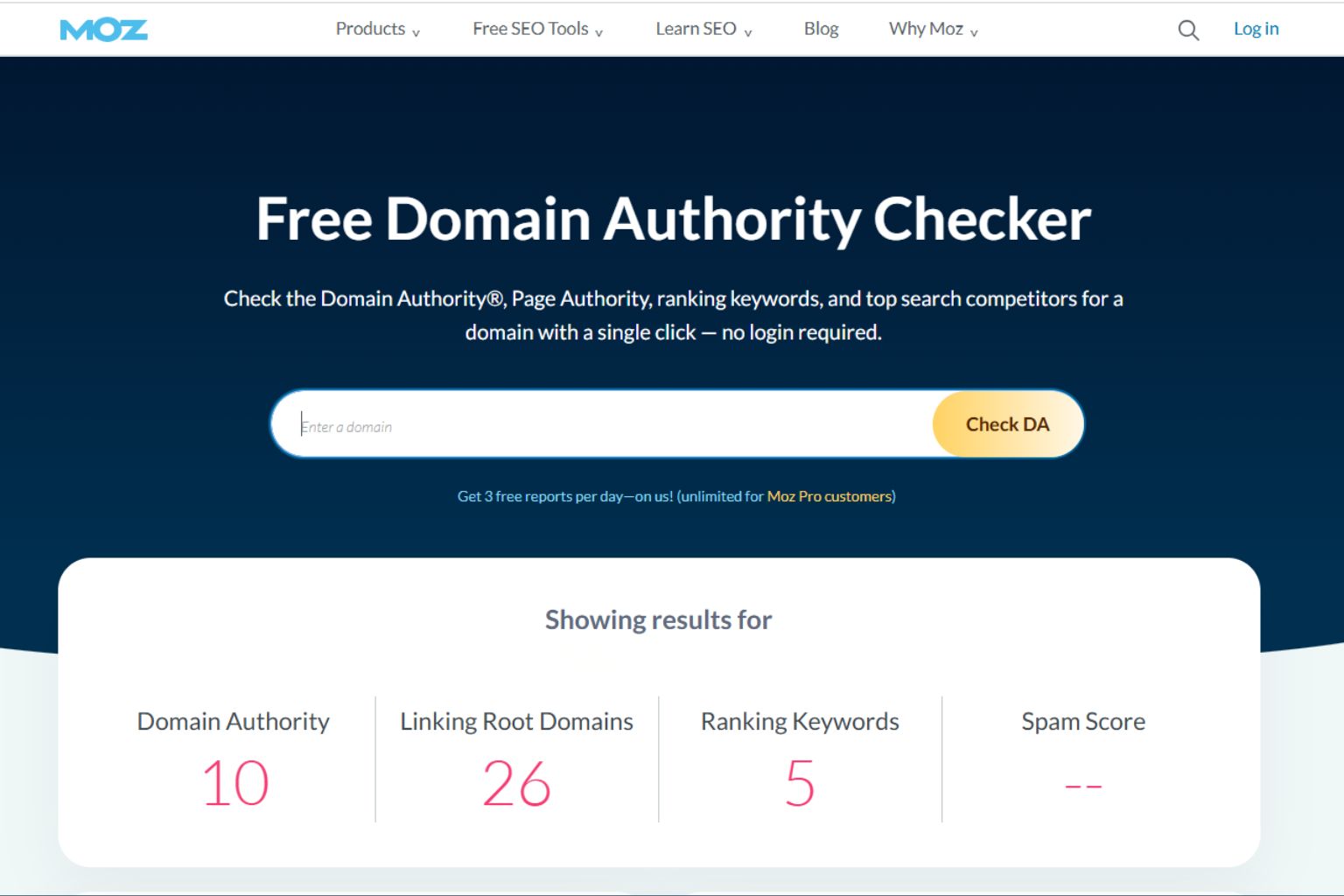
1. Moz Domain Authority Checker
Moz is the original creator of the Domain Authority metric.
With Moz tools you can:
- Check the domain authority score
- Analyze backlink profile
- Monitor authority ranking
- Compare competitors
Check your website here: Free Domain Authority Checker
Moz calculates Domain Authority using multiple signals, including backlinks, linking domains, and site trust.
Moz Domain Authority Checker
Image source: Moz.com
Ahrefs Domain Rating Tool
Image source: ahrefs.com
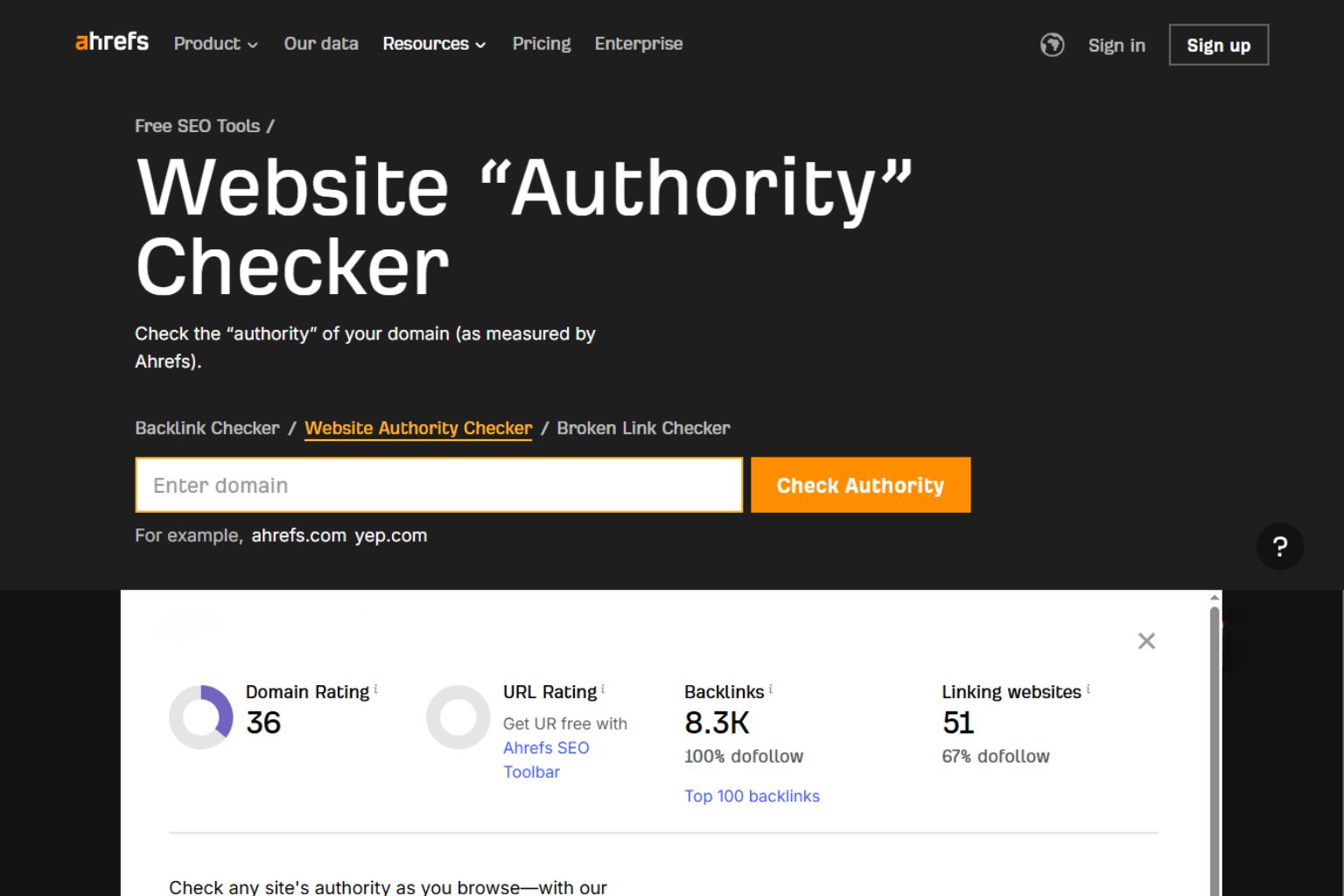
2. Ahrefs Domain Rating Tool
Ahrefs uses a similar metric called Domain Rating (DR).
This score also measures the strength of a website’s backlink profile.
Ahrefs helps with:
- Backlink analysis
- competitor research
- authority comparison
- link opportunities
Check your website here: Website “Authority” Checker
3. SEMrush Authority Score
SEMrush provides another popular metric called Authority Score.
This tool evaluates:
- backlink quality
- organic traffic signals
- spam risks
- overall domain strength
Check your website here: samrush
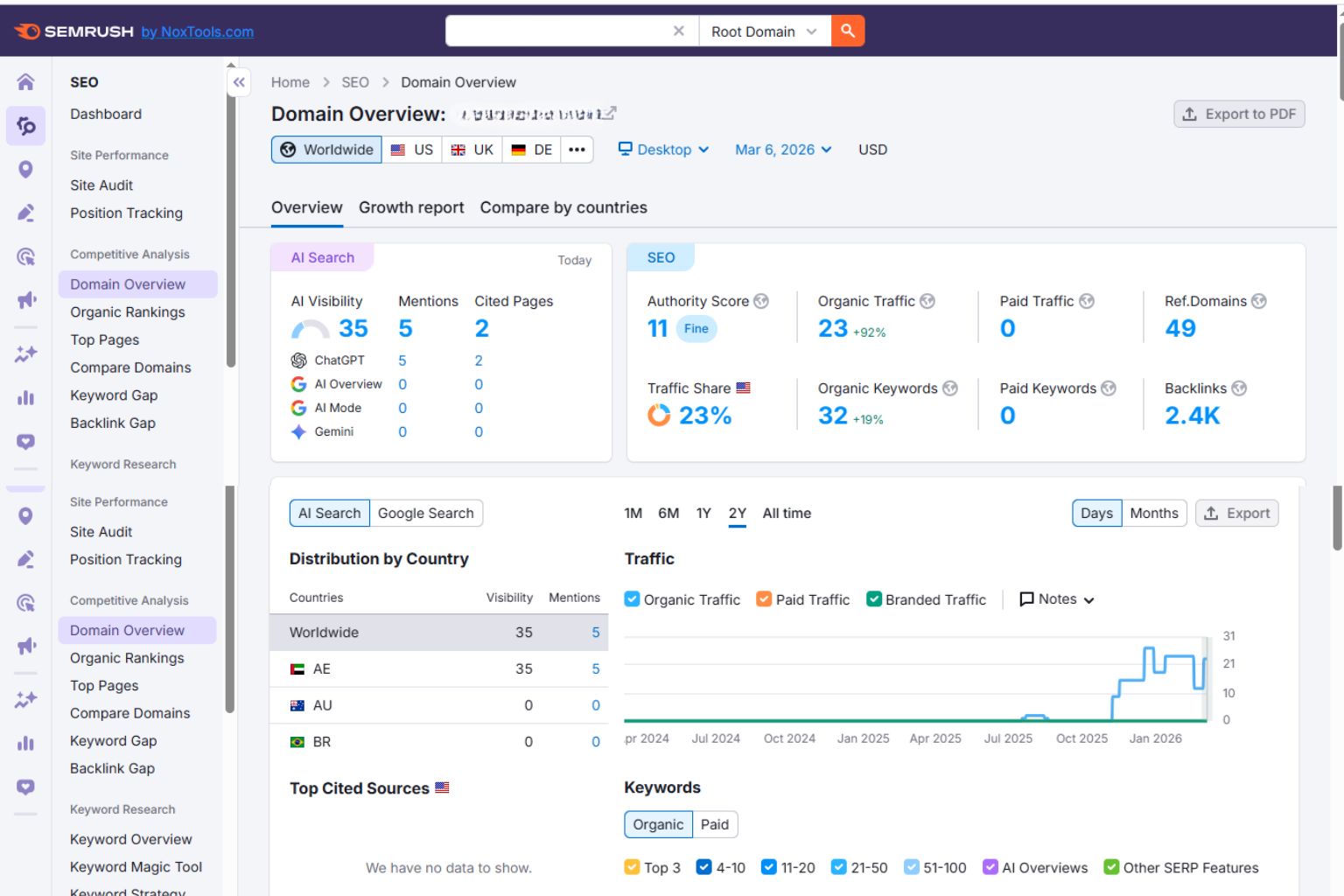
SEMrush Authority Score
Image source: semrush.com
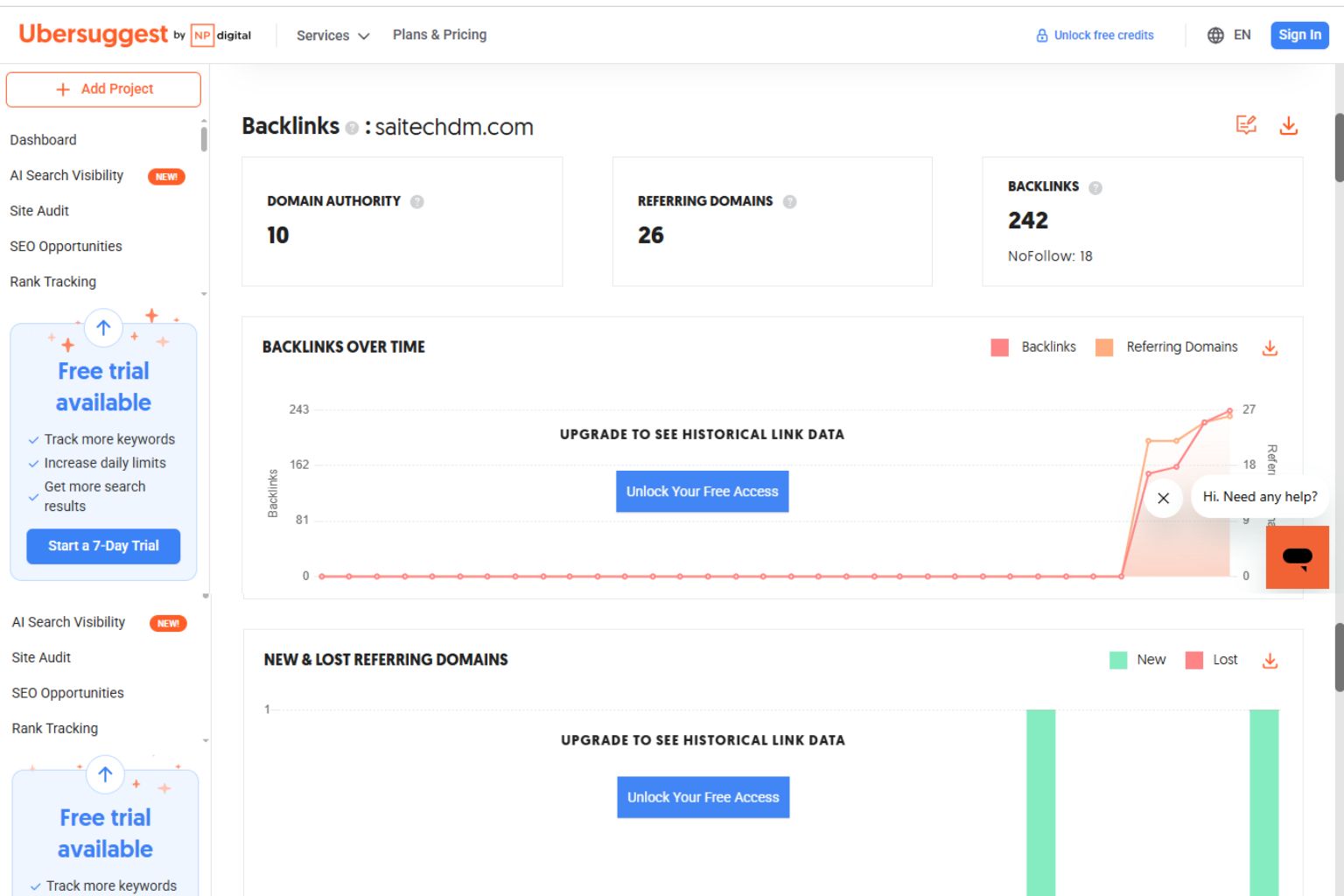
Ubersuggest Domain Authority Tool
Image source: app.neilpatel.com
4. Ubersuggest Domain Authority Tool
Ubersuggest also provides domain authority insights and SEO recommendations.
Features include:
- domain authority score
- keyword opportunities
- backlink analysis
- competitor research
Check your website here: ubersuggest
How to Increase Domain Authority Best 14 Powerful Strategies for SEO Growth
1. Build High-Quality Backlinks
Backlinks remain one of the strongest signals influencing the domain authority score.
High-quality backlinks from trusted websites improve your domain credibility and authority ranking.
You can learn more about this in Search Visibility Strategy
2. Focus on Content Quality
Search engines reward websites that publish useful and informative content.
High-quality content attracts backlinks naturally and strengthens website authority.
Content types that improve authority include:
- guides
- research articles
- tutorials
- industry insights
3. Improve Website Technical SEO
Technical SEO plays an important role in improving domain authority.
Key technical improvements include:
fast page loading speed
mobile-friendly design
structured website architecture
optimized images
You can learn more about this in Website Performance & Crawl Optimization
4. Earn Links from Relevant Websites
Relevance is a critical factor in backlink strength.
Links from websites within your industry carry more authority and trust.
These backlinks improve both the domain authority score and topical relevance.
5. Remove Toxic Backlinks
Low-quality backlinks from spam websites can harm SEO performance.
SEO professionals regularly monitor backlinks and remove harmful links using tools like Google Disavow.
Learn more about safe SEO recovery in Algorithm Recovery & Risk Management
6. Increase Referring Domains
The number of unique websites linking to your domain also affects authority ranking.
More high-quality referring domains usually result in higher domain authority
7. Optimize Internal Linking
Internal links help distribute authority across your website.
They also help search engines understand the relationship between pages.
A strong internal linking strategy improves SEO structure.
8. Publish Consistent Content
Websites that publish regular content usually gain stronger authority signals.
Search engines prefer websites that remain active and updated.
9. Improve User Experience
Good user experience supports SEO performance.
Important UX factors include:
- mobile responsiveness
- easy navigation
- readable content
- fast loading speed
These factors improve search visibility.
10. Use Data-Driven Content
Publishing data-driven insights increases your chances of earning backlinks.
Research articles and statistics attract links from blogs, journalists, and researchers.
11. Build Brand Authority
Strong brand presence improves trust signals.
Search engines consider brand mentions, online reputation, and visibility when evaluating websites.
Learn more about this in Search Experience Optimization (SXO)
12. Improve Website Trust Signals
Trust signals include:
- secure HTTPS website
- professional branding
- clear contact information
- transparent business details
These signals strengthen website credibility.
13. Promote Content Through Outreach
Content promotion helps attract backlinks.
Outreach strategies include:
- contacting bloggers
- sharing research reports
- promoting content on social media
- collaborating with industry websites
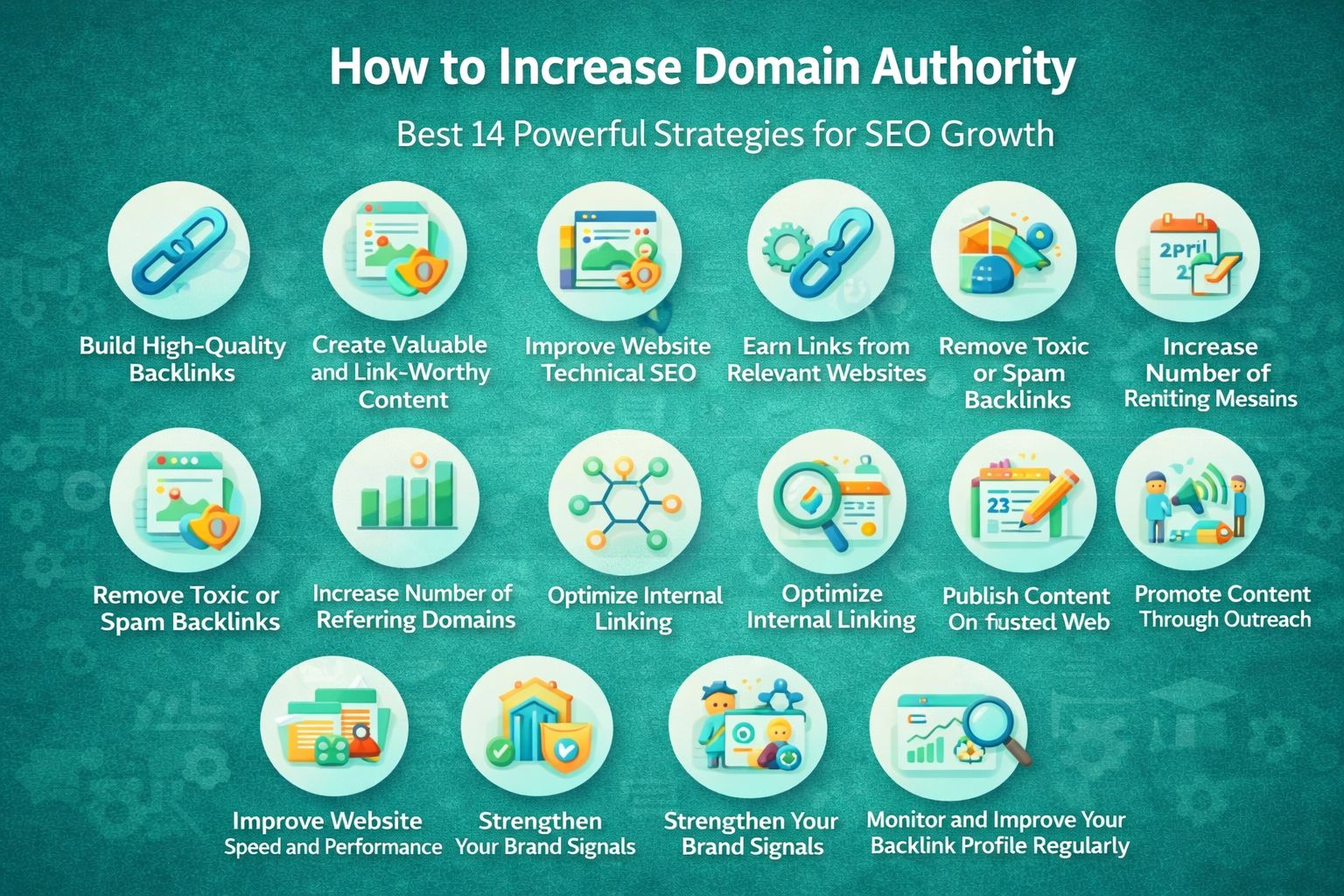
14. Monitor and Improve Your Backlink Profile Regularly
Monitoring your backlink profile is an important part of improving domain authority. Backlinks change over time as websites update, remove links, or create new references. Regularly checking your backlinks helps you understand how your domain authority score and authority ranking are developing.
SEO tools such as Moz, Ahrefs, SEMrush, and Google Search Console help website owners analyze their backlink profile. These tools show the number of referring domains, link quality, and potential toxic links that may affect the domain authority of a website.
By reviewing backlinks regularly, you can identify new link opportunities, remove harmful links, and strengthen your SEO strategy. A clean and strong backlink profile helps improve website credibility and supports long-term SEO growth and search visibility.
Conclusion
Improving Domain Authority takes time and consistent SEO effort. It depends on several factors such as high-quality backlinks, useful content, technical optimization, and strong website trust signals. When these elements work together, they help increase the domain authority score and improve your website’s ability to rank in search results.
The 14 powerful strategies discussed in this guide focus on building long-term authority rather than quick results. By creating valuable content, earning relevant backlinks, improving website performance, and monitoring your backlink profile regularly, businesses can steadily strengthen their authority ranking.
As your website authority grows, search engines begin to trust your content more. This leads to better visibility, more organic traffic, and stronger SEO growth over time.